
Medically reviewed by the clinical team at Bin Haider Healthcare Center (BHHC), a DHA-licensed dermatology and aesthetic facility in Barsha Heights, Dubai operating under Dr. Hessa Bin Haider’s medical supervision, with 20+ years of combined clinical experience and 4.9/5 across 312 Google reviews.
Hair loss feels like one problem, but it’s actually the visible symptom of several very different underlying causes, from genetics to hormones to something as temporary as a stressful few months. Understanding what causes hair loss in a specific case is the first step toward the right treatment, since a genetic pattern and a stress-triggered shedding phase require completely different approaches, even though they can look similar at first glance. This guide breaks down every major category, from the most common causes to the ones patients often overlook, with hair loss causes explained clearly enough to help identify which one may apply before a first consultation.
The Most Common Cause: Genetics (Androgenetic Alopecia)
Genetics is by far the leading cause of hair loss, and understanding how it actually works helps explain why some patients start thinning in their twenties while others keep a full head of hair well into their sixties.
How Male and Female Pattern Hair Loss Works
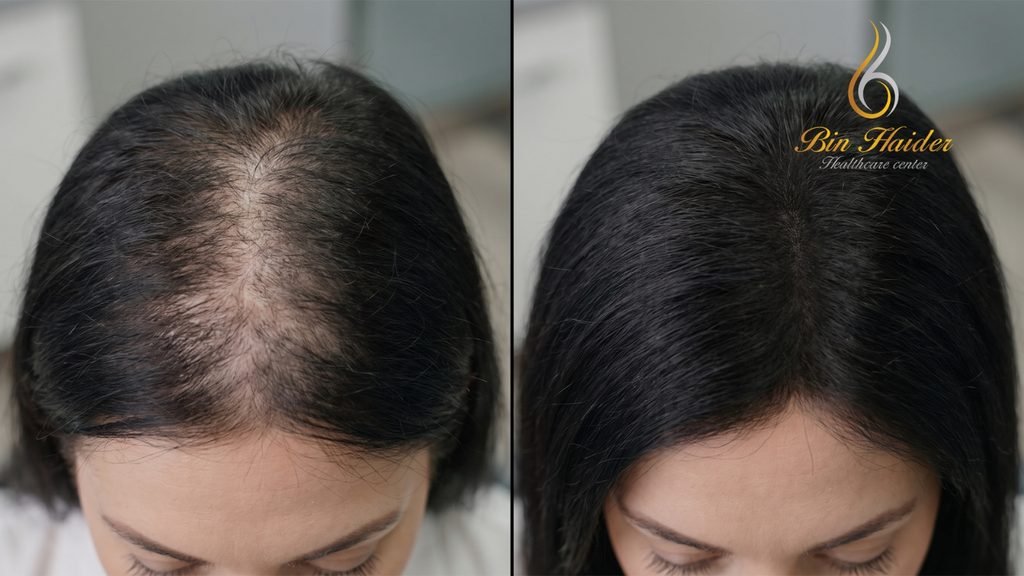
Androgenetic alopecia, commonly known as male or female pattern hair loss, is driven by a hormone called dihydrotestosterone (DHT), a byproduct of testosterone. In people genetically sensitive to DHT, this hormone gradually shrinks, or miniaturizes, hair follicles over time. Each growth cycle produces a slightly thinner, shorter strand than the last, until some follicles stop producing visible hair altogether. In men, this typically shows up as a receding hairline and thinning at the crown. In women, it usually appears as a widening part and diffuse thinning across the scalp, rather than a receding hairline, since the underlying pattern differs by sex even though the mechanism is the same.
Why It’s Hereditary, and Why It Isn’t Always From the Father’s Side
Androgenetic alopecia runs in families, but the old idea that it only comes from the mother’s father is a myth. The genes involved come from both sides of the family, which is why looking at hair loss patterns across the whole family tree, not just one parent, gives a more accurate picture of individual risk.
Tip: Hair loss that follows a clear pattern, a receding hairline, thinning at the crown, or a gradually widening part, is more likely to be genetic than a temporary shedding phase, which tends to be more diffuse and sudden.
Genetics is the dominant cause of hair loss by a significant margin: androgenetic alopecia affects up to 80% of men and 50% of women at some point in their lives, and accounts for roughly 95% of all hair loss cases overall.
Hormonal & Medical Causes of Hair Loss
Beyond genetics, a range of hormonal and medical conditions can trigger hair loss on their own, and identifying them matters because many of these causes are treatable once the underlying condition is addressed.
Thyroid Conditions and Hormonal Imbalance
Both an underactive thyroid (hypothyroidism) and an overactive one (hyperthyroidism) can disrupt the hair growth cycle, pushing more follicles than usual into a resting phase and causing diffuse shedding. This type of hair loss often improves once thyroid levels are brought back into a normal range, which is why thyroid function is one of the first things checked in a proper diagnostic workup.
Postpartum and Pregnancy-Related Shedding
Pregnancy hormones temporarily extend the hair’s growth phase, which is why many patients notice thicker hair during pregnancy. After delivery, hormone levels drop rapidly, and all those hairs that were “held” in the growth phase shift into shedding at once, typically two to four months postpartum. This is usually temporary and resolves on its own within six to twelve months.
PCOS and Other Androgen-Related Conditions
Polycystic ovary syndrome (PCOS) and other conditions that raise androgen levels can trigger a pattern of hair thinning similar to androgenetic alopecia, since the underlying hormonal mechanism overlaps. Hair loss related to PCOS often appears alongside other symptoms, such as irregular cycles or increased facial or body hair, which is a useful clue during diagnosis.
Dubai’s largely expat, multi-national patient population sees a notably high volume of postpartum shedding and relocation-related stress shedding cases. Routine bloodwork during these consultations frequently uncovers thyroid or vitamin deficiencies that went undiagnosed before relocation, or that developed during the adjustment period, which is one reason a full diagnostic workup matters even when hair loss seems to have an obvious trigger.
Stress, Diet & Lifestyle Factors
Beyond genetics and hormones, everyday stress, nutrition, and even hairstyling habits play a real role in hair loss, and this is where hair loss causes explained most often surprises patients, since these factors are usually reversible once addressed.
Telogen Effluvium: Stress-Triggered Shedding Explained
Telogen effluvium is a temporary form of diffuse shedding triggered by a significant physical or emotional stressor, such as surgery, illness, a major life event, or even a crash diet. The stressor pushes a larger-than-normal number of hair follicles into the resting (telogen) phase all at once. Because hair sheds roughly two to three months after entering this resting phase, the shedding often appears well after the stressful event has passed.
Iron, Vitamin D, and Protein Deficiencies
Hair follicles are metabolically demanding, and low levels of key nutrients, particularly iron (ferritin), vitamin D, and protein, can push more hairs into shedding than usual. Iron deficiency is one of the most common nutritional causes of hair loss in women specifically, even in the absence of anemia. Correcting a genuine deficiency, confirmed through bloodwork rather than assumed, often leads to a noticeable improvement within a few months.
Hairstyling Habits: Traction Alopecia From Tight Styles
Traction alopecia develops from repeated tension on the hair, from tight ponytails, braids, weaves, or extensions, which gradually damages the follicle at the root. Unlike other causes on this list, it’s largely preventable, since the hair loss is directly tied to styling choices rather than an internal cause.
Tip: Shedding that started 2 to 3 months after a stressful event, illness, or crash diet is a classic sign of telogen effluvium, not permanent hair loss, and it typically resolves on its own once the underlying trigger has passed.
Hair Loss Causes Explained: Less Common but Important Conditions
Beyond the categories covered so far, a handful of less common but clinically important conditions round out the full picture of hair loss causes explained, and recognizing them matters because several require a different treatment approach entirely.
Alopecia Areata (Autoimmune Patchy Hair Loss)
Alopecia areata is an autoimmune condition in which the immune system mistakenly attacks hair follicles, causing sudden, well-defined patches of hair loss, most often on the scalp. Unlike androgenetic alopecia, it doesn’t follow a predictable pattern and can appear at any age. It affects roughly 2 in every 1,000 people and is considered distinct from both genetic and stress-related hair loss, typically requiring a different treatment pathway.
Scalp Conditions: Dandruff, Seborrheic Dermatitis & Fungal Infections
An unhealthy scalp environment can contribute to hair loss even when the follicles themselves aren’t directly damaged. Conditions like seborrheic dermatitis cause inflammation and flaking that can interfere with normal hair growth, while fungal infections directly damage the hair shaft and follicle. Persistent itching, flaking, redness, or scaling on the scalp is worth having assessed.
Medication-Induced Hair Loss
A number of common medications, including certain blood thinners, blood pressure medications, antidepressants, and chemotherapy drugs, can cause hair loss as a side effect. This typically presents as diffuse thinning that develops within weeks to a few months of starting the medication, and it’s usually reversible once the medication is adjusted or stopped, ideally in coordination with the prescribing doctor.
Clinical note: “Hair loss” is never treated as a single diagnosis at BHHC. Two patients can describe the exact same symptom, thinning hair, and be dealing with completely different conditions underneath. The first step is always narrowing down which category a case actually falls into, because the treatment for a genetic pattern, a nutrient deficiency, and an autoimmune condition are not interchangeable.
Our Diagnostic Approach
Identifying the correct cause requires more than a visual assessment, and a facility’s diagnostic standards directly affect how accurately a case is classified.
Trichoscopy and Scalp Examination
A trichoscopy exam uses magnified imaging to examine the scalp and follicles in detail, revealing patterns invisible to the naked eye, such as follicle miniaturization, inflammation, or scarring. This assessment helps distinguish between genetic thinning, autoimmune patchy loss, and scalp-related causes before lab results are available.
Blood Tests (Ferritin, Thyroid Panel, Vitamin D, Hormones)
A standard hair loss panel typically checks serum ferritin, a full thyroid panel, vitamin D, and relevant hormone levels, since several of the causes covered above present with nearly identical symptoms but require entirely different treatments. Serum ferritin in particular is a highly reliable marker: levels at or below 15 μg/L confirm iron deficiency with around 98% specificity in premenopausal women, making it one of the most clinically useful single tests in a hair loss workup.
Why This Full Workup Matters in Dubai Specifically
Dubai’s largely transient, multi-national patient population means many patients arrive without access to prior medical records or baseline bloodwork from their home country. Without that history to draw on, a complete, self-contained diagnostic process, rather than relying on assumptions carried over from elsewhere, becomes the only reliable starting point for an accurate diagnosis.
Our Facility & Diagnostic Standards
Where a patient receives a hair loss diagnosis matters, since the accuracy of that diagnosis is what determines whether treatment actually works.
DHA Facility Licensing
DHA (Dubai Health Authority) facility licensing sets requirements for diagnostic equipment, including trichoscopy devices and laboratory coordination, along with staff credentialing across the full clinical team, not just the individual physician a patient happens to see.
A Clinical Team Working Under Shared Diagnostic Protocols
At BHHC, hair loss cases are evaluated by a clinical team operating under Dr. Hessa Bin Haider’s medical supervision and standardized, facility-wide diagnostic protocols, combining trichoscopy, bloodwork, and detailed patient history rather than relying on a single practitioner’s individual assessment style.
Tip: Ask any Dubai facility whether they perform trichoscopy and order bloodwork as standard practice before recommending a hair loss treatment, rather than treating based on a visual scalp check alone.
Why Choose Bin Haider Healthcare Center in Dubai
Choosing a facility that treats diagnosis as the foundation of hair loss care, not treatment recommendations offered before a cause is confirmed, matters for getting an effective outcome.
Bin Haider Healthcare Center is a DHA-licensed dermatology and aesthetic facility located in Barsha Heights, Dubai, operating under the medical supervision of Dr. Hessa Bin Haider, a Board-Certified Dermatologist & Aesthetic Physician with over 20 years of experience. The clinic holds a 4.9/5 rating across 312 Google reviews.
What sets BHHC apart is a full diagnostic workup as standard practice for every hair loss patient, combining trichoscopy, bloodwork, and detailed history before any treatment plan is discussed. Treatment options span from minoxidil and PRP to Exosome hair therapy, allowing the clinical team to match treatment to a confirmed diagnosis rather than offering a generic starting point.
Ready to book your consultation?
[Book a Consultation] → Contact us via WhatsApp or call +971 4 770 0600 to schedule your assessment at our Barsha Heights facility.
FAQs
What causes hair loss in women specifically?
Women’s hair loss often stems from hormonal shifts, pregnancy, menopause, PCOS, or thyroid conditions, alongside genetic androgenetic alopecia, which presents as diffuse thinning rather than a receding hairline. Iron deficiency is also a notably common contributing factor. Because multiple causes can overlap, bloodwork is usually needed to identify the specific driver.
Can stress alone cause hair loss?
Yes, through a condition called telogen effluvium, where a significant stressor pushes an unusually large number of follicles into a resting phase at once. Shedding typically appears two to three months after the stressful event. This type of hair loss is usually temporary and resolves once the trigger has passed.
Is hair loss reversible?
It depends on the cause. Stress-related, nutritional, and medication-induced hair loss are often fully reversible once the underlying trigger is addressed. Genetic hair loss can be slowed or partially reversed with early treatment, but fully miniaturized follicles that have stopped producing hair generally can’t be restarted.
What vitamin deficiencies cause hair loss?
Low iron (ferritin) and vitamin D are the two most well-documented nutritional deficiencies linked to hair loss, particularly in women. Protein deficiency can also contribute. A blood test is the only reliable way to confirm a deficiency rather than assuming one based on diet alone.
How do I find a hair loss dermatologist in Dubai?
A qualified hair loss dermatologist in Dubai should be DHA-licensed and offer a full diagnostic workup, including trichoscopy and bloodwork, before recommending treatment. Given Dubai’s multi-national population, a facility with genuine experience treating diverse patient backgrounds is a meaningful advantage.
How is the cause of hair loss diagnosed?
Diagnosis typically combines trichoscopy to examine the scalp and follicles, blood tests covering ferritin, thyroid function, and vitamin D, and a detailed patient history. Together, these narrow down which of the underlying causes, genetic, hormonal, nutritional, or autoimmune, is actually responsible.